
You notice details others miss. A light that slants across a kitchen counter at 4:27 p.m., the way your child’s hair curls differently on one side, the tiny scuff on the hallway banister that tells a story of a hundred rush-out-the-door mornings. You live visually: you curate your home, you collect objects that mean something, you shape moments into compositions. If that sounds familiar, the idea of an in-home family photography session should speak to you on an almost instinctual level.
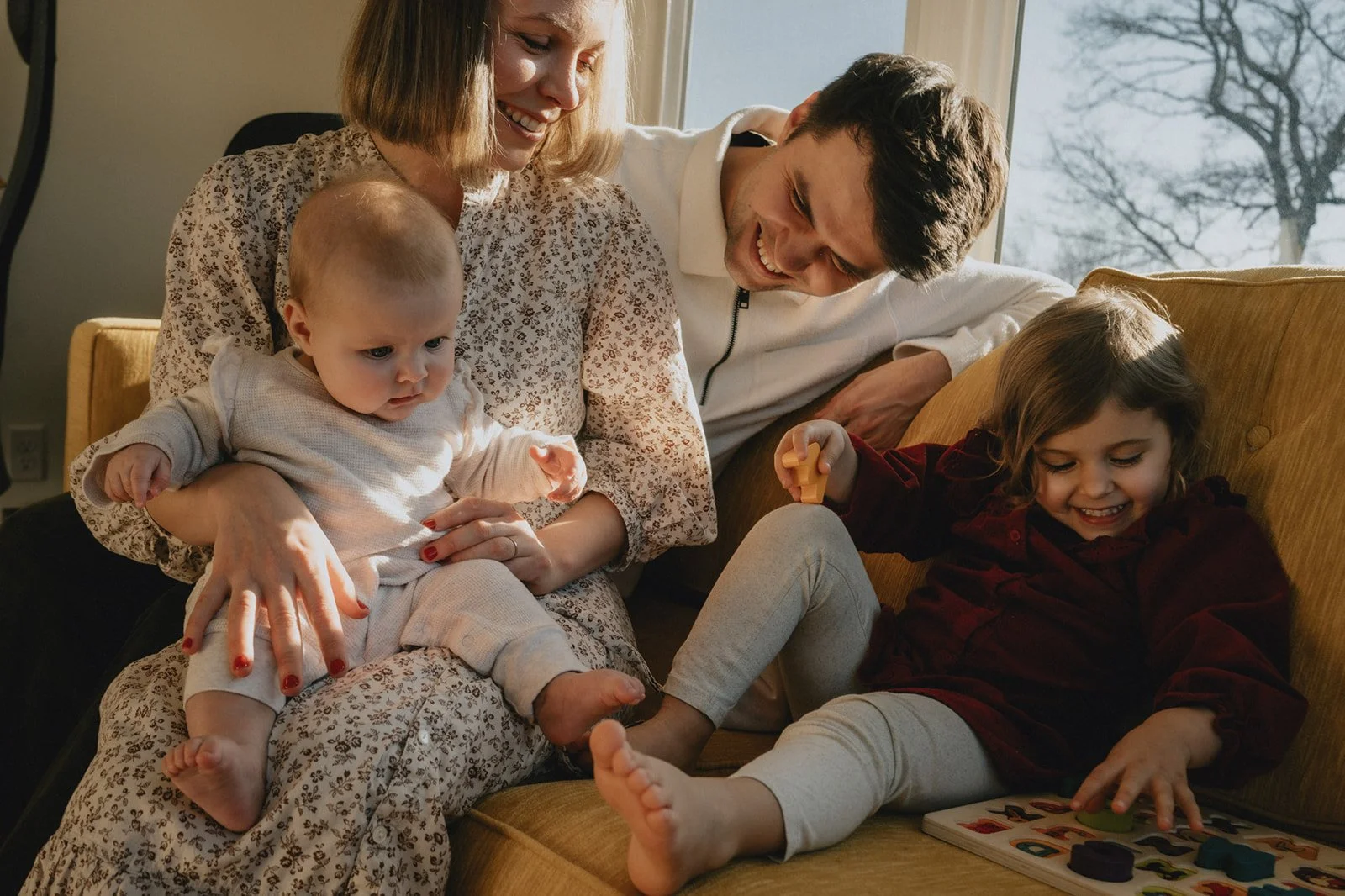
Why choose an in-home session in your Asheville home? (Or wherever you live-I have traveled throughout the USA, Europe and Ireland shooting documentary family sessions!) Because it honors the place where your life actually happens. Studio photos are polished and predictable; they have their place. But when your aesthetic sensibility leans toward authenticity, texture, mood, and nuance, the home offers an intimacy and honesty no set can replicate. Documentary family photography — candid, observational, gently guided — transforms everyday life into art. It captures the poetry of habit and the small, unscripted gestures that reveal who you are as a family.
Here’s what makes the in-home documentary session uniquely appealing to discerning, artistic clients:
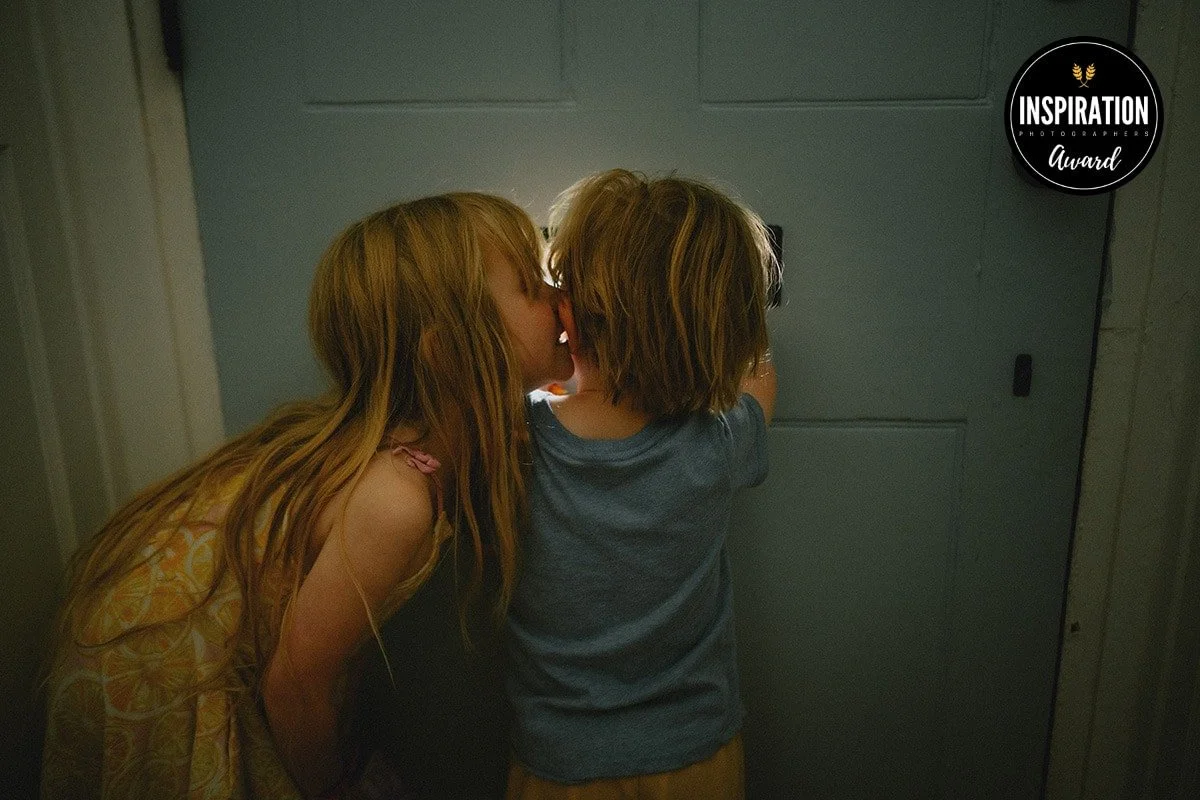
The home as an authentic backdrop Your home is layered with memory. Objects, colors, and light have already been composed by you over years, not artificially arranged for the camera. A well-loved couch, a window seat with a sagging cushion, the bookshelf where a child hides their drawings — these are the textures of your family’s life. A documentary approach uses those layers, letting the environment provide context and meaning. The result isn’t just a pretty photo; it’s a portrait of place and presence.
Light you can’t recreate Natural light behaves differently in every room. Early morning light on a bedroom wall reads softer, warmer. Late afternoon pours through kitchen windows in wedges and shafts. Documentary photographers watch and work with light rather than fight it, finding moments when the sun lines the edge of a nose or when shadow becomes a frame. If you care about subtle tonal shifts and delicate atmospheres, an in-home session gives you light that no studio flash can mimic.
Real interaction, not posed performance People who appreciate art often dislike artifice. Children especially dislike posing. Documentary family photography moves away from forced smiles and toward the genuine. It’s about catching laughter between tasks, the focused stillness of a child building with blocks, the way a parent presses a forearm into a small back to steady them. These are fleeting, sincere moments that reveal personality and relationship. If you want images that feel honest and alive, this is where they come from.
Small rituals made grand Routines can be mundane — until they’re framed as ritual. Breakfast with toast crumbs, bedtime stories with a tired voice, the doing-up of shoelaces at the door — these are scenes of devotion. A documentary session elevates these rituals. Discerning clients understand that beauty often resides in repetition and detail; a photograph can freeze a ritual’s cadence, turning a small act into a meaningful keepsake.
Comfort equals authenticity When you and your family are at ease, you look like yourselves. In-home sessions reduce the stress people sometimes feel in unfamiliar environments. Socks on hardwood, dancing in the kitchen, making faces in the mirror — these actions are spontaneous only when people feel secure. For those who consider themselves artistic or tuned to nuance, this comfort produces the subtleties of expression and movement that make images compelling.
Contextual storytelling A studio portrait isolates a subject; an in-home documentary image places them within a story. The sink piled with dishes after a birthday, the chalk marks on a doorframe measuring growth, the mismatched mugs on a mantel — these details tell the “how” of your family’s life. Artful clients know that context enriches meaning. Documentary photography weaves those contextual threads into a visual narrative that reads like a short story rather than a single sentence.
Time and patience over directive posing Documentary photographers are patient observers. They wait for the micro-moment: the glance, the pause, the sigh. For people who value process and savor, this approach resonates. It’s not about filling ten minutes with smiles; it’s about spending an hour to harvest a few images that will still captivate in twenty years. If your aesthetic favors restraint over production, you’ll appreciate this slow-craft mentality.
Photos that age gracefully Trends change: outfits, filters, props. But moments rooted in everyday truth age well. A black-and-white photograph of a parent reading on a familiar armchair will look timeless whether it’s displayed today or in thirty years. For clients who collect and live with objects intentionally, images that wear time well are a natural fit.
Collaboration and creative input An in-home documentary session is collaborative. The photographer sees, respects, and amplifies your sensibility rather than overriding it. If you’ve curated your space with intention, you’ll want a photographer who notices the frames on the wall, the way books are stacked, the color palette you love. This isn’t about the photographer imposing a vision; it’s about co-creating images that reflect your aesthetic priorities.
Art for the walls, not just the cloud People who care about visual environments want physical artifacts. Documentary in-home images translate beautifully into large prints, framed series, or a quiet book of moments. These pieces become part of your domestic landscape, conversation starters and heirlooms that carry the tactility and presence you value.
If you’re considering such a session, here are a few practical notes to help align expectations with artistic outcomes:
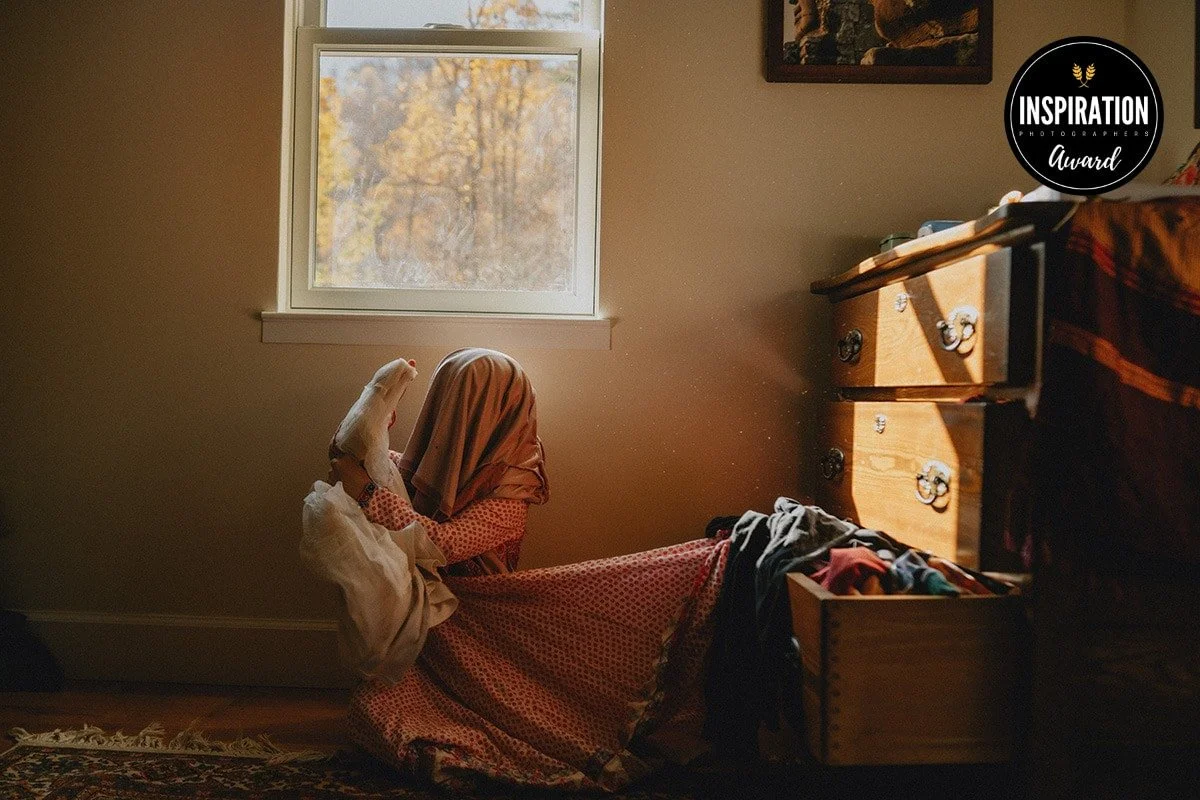
An example of an unusually artistic, candid, unposed, documentary family photography image. This image is a result of in-home family photography sessions in Asheville, North Carolina.
Keep the day relaxed. We’ll capture compelling moments when your routine isn’t disrupted by pressure to “perform.”
Think about where light is best in your home; morning and late afternoon often yield the most cinematic tones.
Let the little imperfections remain. They’re the human details that make images resonate.
Consider what parts of your life you want to preserve — a morning ritual, a creative corner, the way siblings interact.
In the end, documentary family photography is for those who see life as a composition in motion, for people who treasure nuance and authenticity over manufactured perfection. An in-home session honors the aesthetic you’ve already cultivated and translates the intimacy of your life into images that feel both immediate and enduring.
If you value the unvarnished, artful truth of your family’s everyday, an in-home documentary session is a way to keep that truth — to hold it in a frame, to pass it down, to return to it in years when details have softened in memory but remain sharp in photograph. If you’d like to explore a session that treats your home and your family as the beautiful, lived-in work of art they are, let’s talk about what a day in your life looks like and how to translate it into images you’ll cherish.
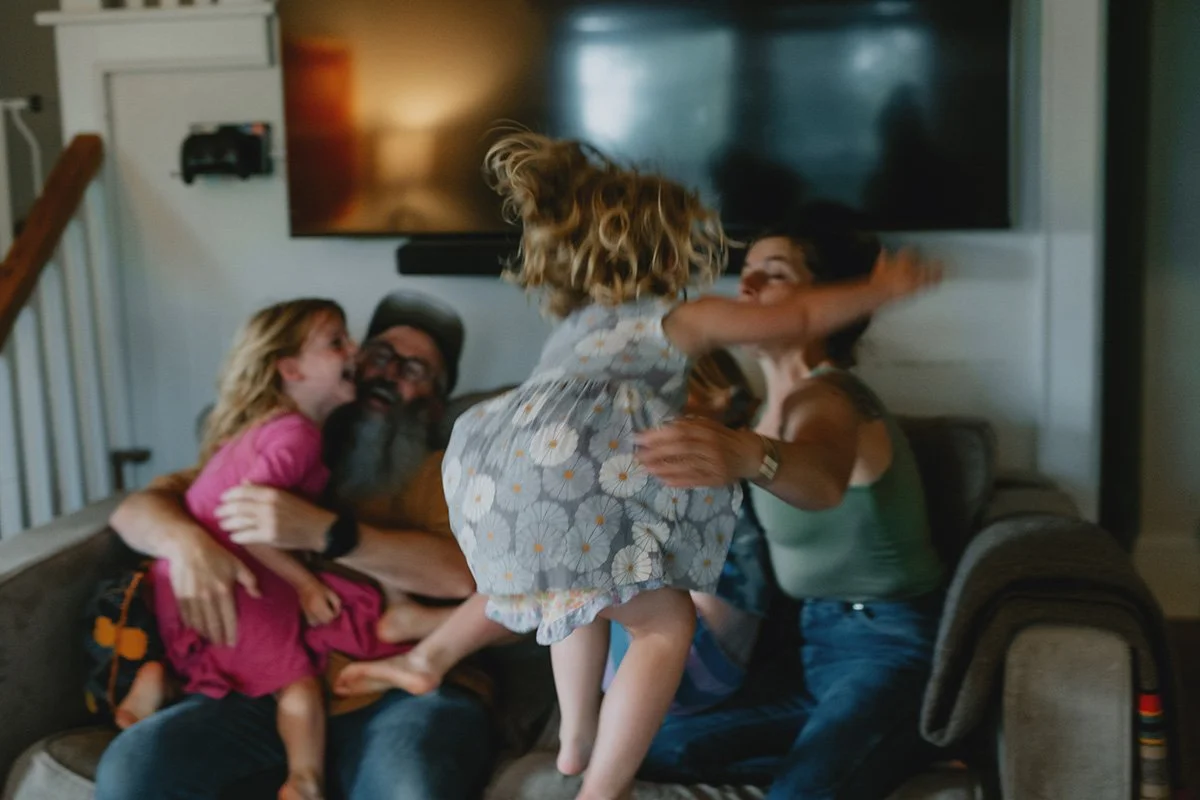
A joyful image from an in-home family photography session shot in the genre of documentary family photography in Asheville, North Carolina.